
 Contribute to YELL
ASEAN Youth Leaders for Inclusion in Nature and Environment (A-LINE)
15-19 September 2025
.jpg)
The ASEAN Youth Leaders for Inclusion in Nature and Environment (A-LINE) programme brought together 30 youth professionals from diverse non-environmental sectors across Malaysia for a five-day workshop held in Kuching, Sarawak. Designed to encourage cross-sectoral understanding of biodiversity, the programme equipped participants with the knowledge, networks, and skills to integrate nature and sustainability into their respective fields.
Organised by Sarawak Eco Warriors with support from the Global Youth Biodiversity Network (GYBN SEA), Youth Environment Living Labs (YELL), Hanns Seidel Stiftung (HSS), Yayasan Hasanah, and Plants for Plastic, A-LINE aimed to mainstream biodiversity awareness among youth from industries such as business, education, media, and technology. The workshop marked the start of a broader ASEAN regional initiative fostering collaboration and inclusion in biodiversity governance.
.jpg)
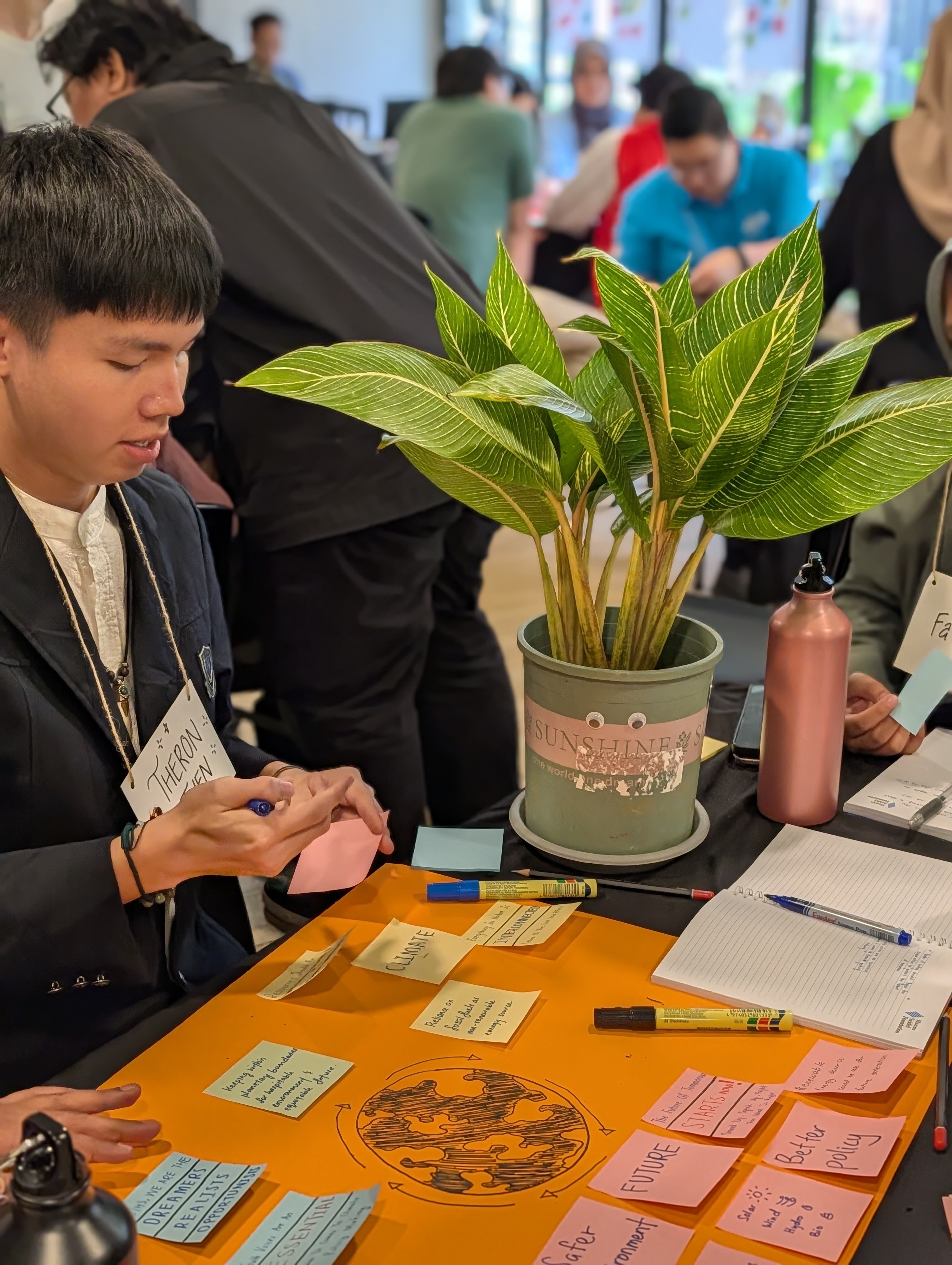
Participants ready for days-worth of learning! (YELL, September 2025)
Throughout the week, participants engaged in interactive sessions combining expert presentations, group discussions, and hands-on learning. Sessions explored key topics such as biodiversity governance and systems thinking, youth inclusion in decision-making, and the role of non-environmental sectors in addressing ecological challenges. Field immersions around Kuching allowed participants to connect with local communities and understand how biodiversity conservation links with cultural and socio-economic systems.
The workshop also featured reflection and goal-setting activities, enabling participants to identify personal and professional pathways to integrate biodiversity into their work. A stakeholder dialogue with representatives from Malaysia and the Philippines encouraged direct exchange between youth and policymakers, highlighting the importance of inclusive governance.
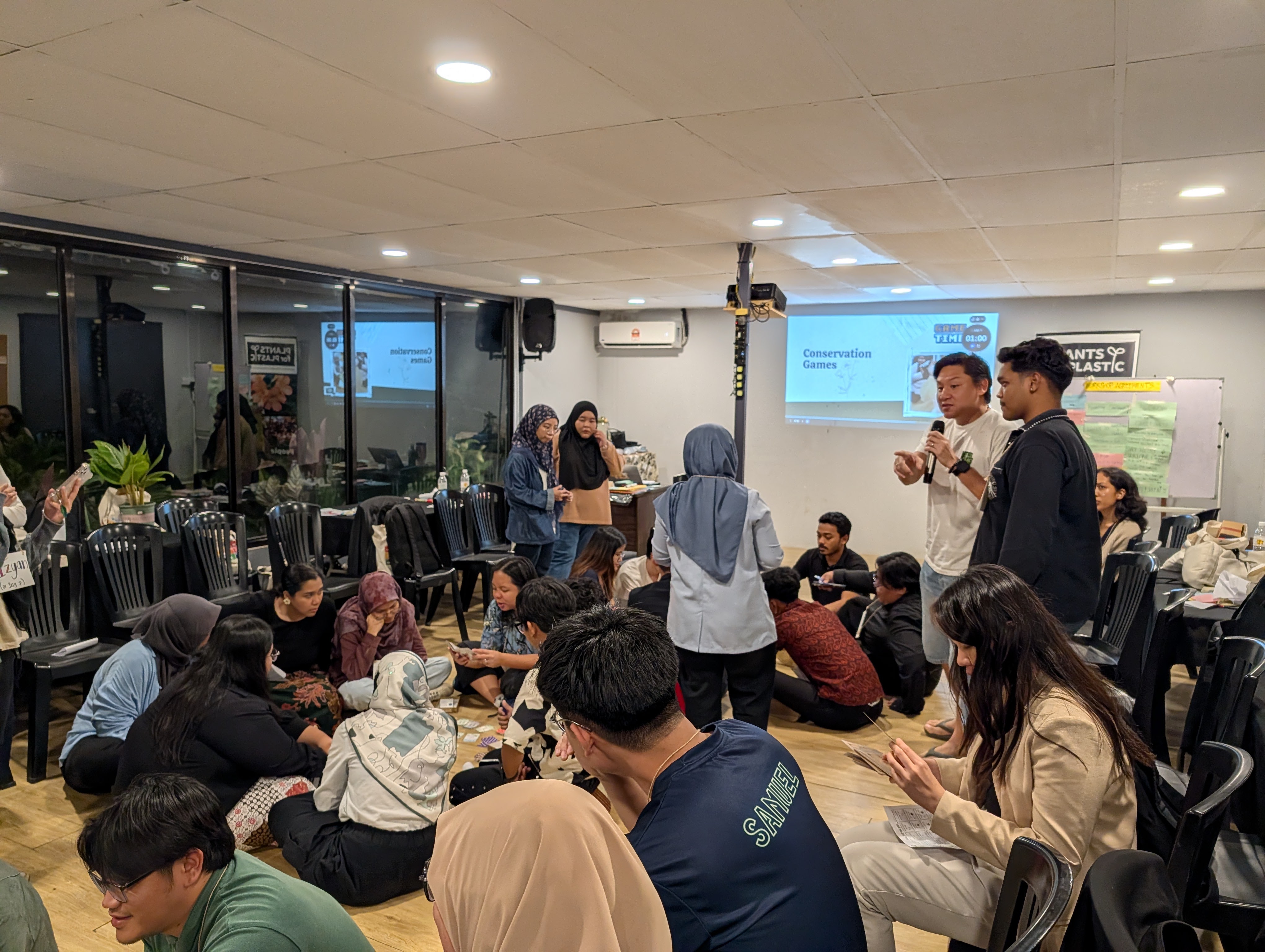
Participants experimenting with conservation-themed games (YELL, September 2025)
A-LINE successfully nurtured a new network of youth leaders committed to biodiversity mainstreaming, demonstrating how inclusion, innovation, and regional collaboration can drive more equitable and sustainable environmental action across ASEAN.
Outcome:
- Empowered 30 youth professionals of non-conservation backgrounds with the skills, knowledge, network, and access to contribute meaningfully towards biodiversity conservation and/or governance.
- Executed at least 6 biodiversity-relevant action plans with guides such as;
- Incorporated biodiversity considerations into existing initiatives and activities,
- Developed new initiatives that facilitates cross-sectoral collaborations,
- Incorporated biodiversity considerations into organisational policies and action plans.
To learn more, including how to change your settings, see our Cookies Policy.